Can Cops Pull You Over for Just Window Tint in New Jersey? 2026 Guide
Can cops pull you over just for window tint in New Jersey? Yes. Learn what NJ law says about front windows, windshields, tint percentages, medical exemptions, tickets, and what we've seen after 20+ years of tinting vehicles in South Jersey.
Can Cops Pull You Over for Just Window Tint in New Jersey?
Yes. Police can pull you over in New Jersey based on suspected illegal window tint, even if you weren't speeding or committing another moving violation. The biggest legal concerns are aftermarket tint on the front driver and passenger windows and the windshield because New Jersey generally prohibits sun-screening on those windows unless an approved medical exemption applies.
At Dope Tintings in Pennsauken, NJ, we've been tinting vehicles for more than 20 years and have completed more than 30,000 window tint installations.
Over the years, we've had plenty of customers tell us they were pulled over specifically because of their window tint.
Some customers have driven around for years without an issue.
Others have been stopped with the same tint percentage.
That's why we'll never tell a customer:
"Don't worry about it. Police won't bother you."
Nobody can honestly guarantee that.
For a complete window-by-window explanation of what's permitted, read our New Jersey Window Tint Laws: Complete 2026 Guide.
What New Jersey Law Applies to Window Tint?
One of the biggest mistakes drivers make is assuming New Jersey has one simple legal tint percentage for every window.
It doesn't.
The windshield and front driver/passenger windows are treated differently from the windows behind the driver.
For ordinary vehicles, aftermarket sun-screening on the windshield and front side windows generally requires an approved medical exemption.
That means there isn't a magic percentage such as:
- 50%
- 35%
- 20%
- 15%
- 5%
that automatically makes ordinary aftermarket front-window tint legal in New Jersey.
This is especially important with 35% tint because we regularly hear customers say:
"I thought 35% was legal in New Jersey."
Don't confuse a commonly installed percentage with a legal percentage.
Which Tinted Windows Are Most Likely to Cause Legal Problems in New Jersey?
Here's the easiest way to understand the difference between the front and rear windows:
| Window | General New Jersey Tint Situation | What Drivers Should Know |
|---|---|---|
| Windshield | Aftermarket sun-screening generally requires an approved medical exemption | Windshield tint is highly visible and can create additional legal concerns |
| Front Driver Window | Aftermarket sun-screening generally requires an approved medical exemption | This is one of the most visible tinted windows during a traffic stop |
| Front Passenger Window | Aftermarket sun-screening generally requires an approved medical exemption | The same general front-side restriction applies |
| Rear Side Windows | Tint is generally permitted | Drivers have considerably more freedom behind the driver |
| Rear Window | Tint is generally permitted | Applicable vehicle-equipment and mirror requirements can still apply |
This is why someone asking:
"Can I get pulled over for 5% tint?"
needs to tell us which window they're talking about.
Five percent on a rear passenger window is a completely different legal question from 5% on the driver's front window.
Can You Get Pulled Over for 35% Tint in New Jersey?
Yes, you can potentially be stopped with 35% aftermarket tint on the front windows.
This surprises a lot of customers because 35% is one of the percentages most commonly misunderstood in New Jersey.
At Dope Tintings, we sometimes recommend 35% from a visibility standpoint when a customer has already decided they want front-window tint.
Why?
Because 35% generally provides much better nighttime visibility than extremely dark percentages such as 5%, 15%, or 20%.
But there's an important distinction:
Our recommendation about visibility is not the same thing as saying 35% front-window tint is legal in New Jersey.
Those are two completely different questions.
Can You Get Pulled Over for 20% Tint in New Jersey?
If 20% aftermarket tint is installed on your front driver or passenger windows, you can potentially be stopped because choosing 20% doesn't eliminate New Jersey's restrictions on front-side sun-screening.
Twenty percent is considerably darker than 35%.
From our experience, 20% is a popular choice because it gives customers a good amount of privacy while still being easier to see through at night than 5%.
We commonly see customers choose 15% or 20% for rear windows.
But again:
Where the film is installed matters just as much as the percentage.
Can You Get Pulled Over for 15% Tint in New Jersey?
Yes, if you're talking about aftermarket 15% tint on the front driver or passenger windows, you should understand that you can potentially attract law-enforcement attention.
Fifteen percent is a dark film.
During the day it provides substantial privacy.
At night, visibility becomes more challenging.
From our experience, 15% can be a good rear-window choice for customers who want a darker appearance without going all the way to 5%.
But putting 15% on the front windows creates a different legal situation.
Can You Get Pulled Over for 5% Tint in New Jersey?
Absolutely.
Five percent—commonly called limo tint—is extremely dark.
We've installed 5% on plenty of vehicles over the years, and customers choose it because they want:
- Maximum privacy
- A very dark appearance
- Less visible interior
- A more aggressive finished look
But we always warn customers about nighttime visibility.
Five percent can be challenging to see through at night, particularly on dark roads, during rain, or in poorly lit areas.
And if you're talking about 5% on the front driver and passenger windows, the legal concern becomes even greater.
Just because you see other New Jersey vehicles driving around with 5% on the front doesn't mean police can't stop you for yours.
Does Darker Tint Make You More Likely to Get Pulled Over?
From a practical standpoint, darker tint is generally more noticeable.
Think about the difference between looking at a vehicle with 50% tint and one with 5%.
With 5%, it can be extremely difficult to see into the vehicle.
That doesn't mean we can give you a mathematical formula such as:
"35% gives you a 10% chance of being stopped and 5% gives you a 70% chance."
Nobody can honestly tell you that.
What we can tell you from more than 20 years in this industry is that customers with darker front-window tint have absolutely reported being stopped because of it.
Enforcement experiences vary.
Can Police Pull You Over for Windshield Tint in New Jersey?
Yes.
Full windshield tint is something customers need to think carefully about because New Jersey generally requires an approved medical exemption for aftermarket windshield sun-screening.
Windshield film can provide real benefits, including:
- Heat rejection
- UV protection
- Glare reduction depending on darkness
- Improved interior comfort
- A more complete tinted appearance
But those benefits don't change the legal requirements.
A light windshield film isn't automatically legal simply because you can see through it.
If you're considering tinting the entire windshield, read our How Much Does It Cost to Tint a Car Windshield? 2026 Guide.
What If You Have a Medical Tint Exemption in New Jersey?
New Jersey does have a medical sun-screening exemption process for qualifying individuals.
But a doctor's note by itself isn't the entire process.
NJ MVC requires drivers to receive approval before qualifying sun-screening is installed on the windshield and/or front side windows.
The installation must then be completed through an appropriately licensed New Jersey sun-screening facility.
NJ MVC currently states that the permanent approval document is valid for 48 months and should remain in the vehicle. The document must be shown when requested by law enforcement and for applicable inspection purposes.
If you have an approved exemption and you're stopped, have the proper documentation available.
For a deeper explanation of the exemption and New Jersey's window-by-window rules, see our complete New Jersey window tint law guide.
Does a Medical Exemption Mean You Can Get Any Tint Percentage?
No.
A medical exemption isn't permission to install whatever darkness you want.
New Jersey's medical sun-screening program has specific requirements for qualifying windshield and front-side window installations.
This is another reason customers shouldn't treat:
"I have a medical exemption"
as meaning:
"I can put 5% on every piece of glass."
The exemption installation still has to comply with the applicable state requirements.
Why Do We Explain the Law If Customers Still Ask for Dark Tint?
Because our job is to give customers enough information to make an informed decision.
We're a window tint shop.
Of course customers come to us because they want tinted windows.
Some want 35%.
Some want 20%.
Some want 15%.
Some want 5%.
And we've even had customers request darker combinations.
But there is a difference between saying:
"Yes, we can physically install that film."
and saying:
"That setup is legal in New Jersey."
Those are not the same statement.
At Dope Tintings, we'd rather explain the potential legal and visibility issues upfront than have a customer come back later and say:
"Why didn't anybody tell me?"
Our recommendation is simple:
Know what you're asking for before you choose your tint percentage.
What We've Seen After Tinting More Than 30,000 Vehicles
After more than 20 years in the window tint industry and more than 30,000 vehicle installations, we've heard just about every window tint traffic-stop story imaginable.
One thing we've learned is that two customers can have very different experiences.
One customer might drive around for years with dark front-window tint and tell us:
"I've never been bothered."
Another customer with a similar percentage might tell us:
"I got pulled over just for my tint."
That's why we don't base our advice on one person's experience.
Just because your friend hasn't been stopped doesn't mean you won't be.
And just because another customer received a ticket doesn't mean every officer who sees your vehicle will stop you.
Enforcement experiences can vary.
What we can tell you is what customers have consistently reported to us over more than two decades in this business.
Does Dark Front Window Tint Attract More Police Attention?
From what customers have reported to us, extremely dark front-window tint tends to create more problems than lighter film.
Customers with percentages such as:
- 15%
- 5%
- 1%
are some of the people most likely to come back and tell us about being stopped because of their tint.
That makes sense from a practical standpoint.
The darker the front windows become, the harder it can be for someone outside the vehicle to see the driver and interior.
But we want to make something very clear:
We cannot tell you that a particular tint percentage guarantees you'll get pulled over—or guarantees that you won't.
There is no percentage where we can say:
"Put this on and the police will leave you alone."
If avoiding tint-related traffic stops is your biggest concern, follow New Jersey's requirements for the windshield and front side windows.
For the complete legal breakdown, read our New Jersey Window Tint Laws: Complete 2026 Guide.
Which Vehicles Do Our Customers Report Getting Stopped More Often?
This is based strictly on what we've personally heard from customers over the years—not an official New Jersey law-enforcement statistic.
From our experience, the tint isn't always the only thing making a vehicle noticeable.
We've heard more traffic-stop stories involving vehicles such as:
- Sports cars
- Performance imports
- Modified vehicles
- Vehicles with loud exhaust systems
- Cars with extremely dark front windows
- Vehicles with dark windshield tint
We've had customers with Corvettes, Honda Civics, Audis, Subarus and other modified vehicles tell us they received additional attention when dark tint was part of the overall setup.
We've also personally heard fewer complaints from some customers driving lifted trucks, luxury vehicles and ordinary older daily drivers with comparable tint.
Does that mean police officially target one type of vehicle and ignore another?
No.
We're simply sharing what customers walking through our doors have told us over more than 20 years.
Your individual experience can be completely different.
Does Windshield Tint Attract More Attention?
It can.
A dark windshield dramatically changes the appearance of the front of a vehicle.
It's also different from tinting a rear passenger window because the windshield is directly in the driver's field of vision.
Customers sometimes think:
"If I already have my front windows tinted, I might as well do the windshield too."
We explain that adding windshield tint introduces another legal consideration.
We also tell customers that if their goal is heat rejection, they don't necessarily need an extremely dark windshield.
Film darkness and heat rejection are not the same thing.
A quality heat-rejection film can provide performance without making the windshield look like 5% limo tint.
However, using a lighter film doesn't automatically make an aftermarket windshield installation legal in New Jersey.
If you're researching the price and benefits before making that decision, read our guide to the cost of tinting a car windshield.
What Happens When a Customer Asks Us for 5% Tint?
This conversation happens all the time.
A customer comes in and says:
"I want 5% all the way around."
We don't just grab the film and start installing it without having a conversation.
We want to know what they're trying to accomplish.
Is it:
- Maximum privacy?
- Appearance?
- Keeping people from seeing inside?
- Heat rejection?
- Matching existing rear tint?
- They saw somebody else's vehicle and liked it?
Then we explain what comes along with extremely dark tint.
That includes:
- Reduced nighttime visibility
- More difficulty seeing on poorly lit roads
- Potential law-enforcement attention when installed on restricted windows
- The possibility that they'll later decide it's too dark
- Paying to have the film removed
- Paying again to have lighter film installed
Sometimes customers still choose 5%.
That's their decision.
But we want them making that decision after understanding the downsides, not after somebody on social media simply told them:
"5% looks badass. Get it."
Real Customer Example: When 5% Becomes Too Much
We've had customers come in absolutely convinced they wanted 5%.
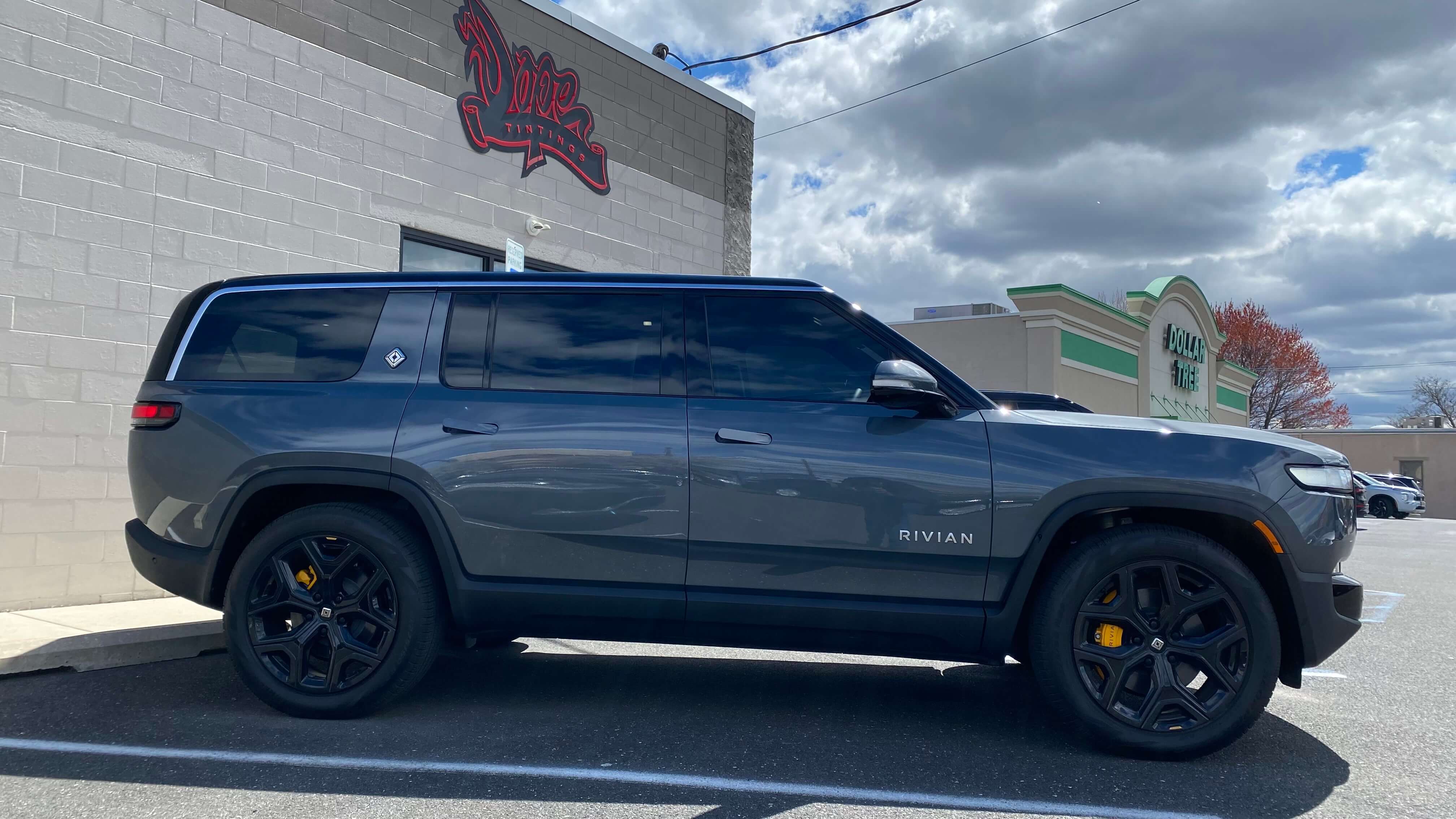
A friend had it.
They saw it online.
They liked the privacy.
They wanted their vehicle as dark as possible.
After we explained the nighttime-visibility and legal considerations, some customers changed their minds and chose something lighter.
We've had those same customers come back later and thank us.
We've also experienced the opposite.
We've had customers who wanted extremely dark film, understood our warning and decided to do it anyway.
Later, some came back after being stopped by law enforcement or after realizing they didn't like driving with film that dark at night.
Then they wanted us to remove it and install something lighter.
Now they're paying twice.
They paid for the original installation.
Then they're paying for removal.
Then they're paying for another installation.
That's why we would rather have the uncomfortable conversation before we tint the vehicle.
What Is the Biggest Mistake Drivers Make When Choosing Tint?
One of the biggest mistakes is allowing price alone to make the decision.
Window tint isn't simply a product sitting on a shelf.
You're paying for a product and an installation service.
There's a major difference between purchasing a television from two stores and choosing between two tint installers.
If two stores sell the exact same television, price can be the deciding factor.
Window tint doesn't work that way.
You're paying for:
- The film
- The installer's experience
- Vehicle preparation
- Installation quality
- Clean edges
- Low contamination
- Proper shrinking and fitting
- Knowledge of the vehicle
- Quality control
- Warranty when applicable
- Advice before and after the installation
A cheap price doesn't automatically mean a bad tint job.
And an expensive price doesn't automatically guarantee a perfect tint job.
Research the shop.
Look at its actual work.
Read the reviews.
Ask what film is being installed.
Ask whether they've tinted your particular year, make and model before.
A professional shop should be willing to educate you instead of simply taking your money.
For more help comparing shops, read our Top-Rated Auto Window Tinting Shops in South Jersey guide.
What Should You Do If Police Pull You Over for Window Tint?
If you're pulled over, our advice is simple:
Be respectful.
Don't turn a window tint stop into something bigger than it needs to be.
Follow the officer's instructions.
Keep your hands visible.
And when appropriate and safe to do so, rolling your tinted windows down can make it easier for the officer to see inside the vehicle.
Interestingly, NJ MVC itself tells drivers with approved medical sun-screening that, as a courtesy, they should roll their windows down when pulled over by law enforcement.
That's similar to what we've been telling customers for years.
Should You Roll Your Tinted Windows Down During a Traffic Stop?
When appropriate, we believe it's a smart thing to do.
Think about the situation from the officer's perspective.
If your front windows are extremely dark, the officer may have difficulty seeing:
- Who is inside
- How many people are inside
- What the occupants are doing
- Where everyone's hands are
Rolling the windows down improves visibility.
That doesn't make illegal tint legal.
It doesn't guarantee you won't receive a citation.
It's simply a practical courtesy that can make the interaction easier.
If you have an approved medical sun-screening exemption, make sure you also have the required documentation available in the vehicle.
What Should You NOT Say During a Tint Stop?
One excuse we don't recommend is:
"The car came like this."
If you're driving a vehicle with obvious aftermarket film on the front windows, trying to convince an officer that you had absolutely no idea the windows were tinted probably isn't going to help the situation.
You also don't need to start arguing about what your friend told you was legal.
Things like:
"My tint guy told me 35% was legal."
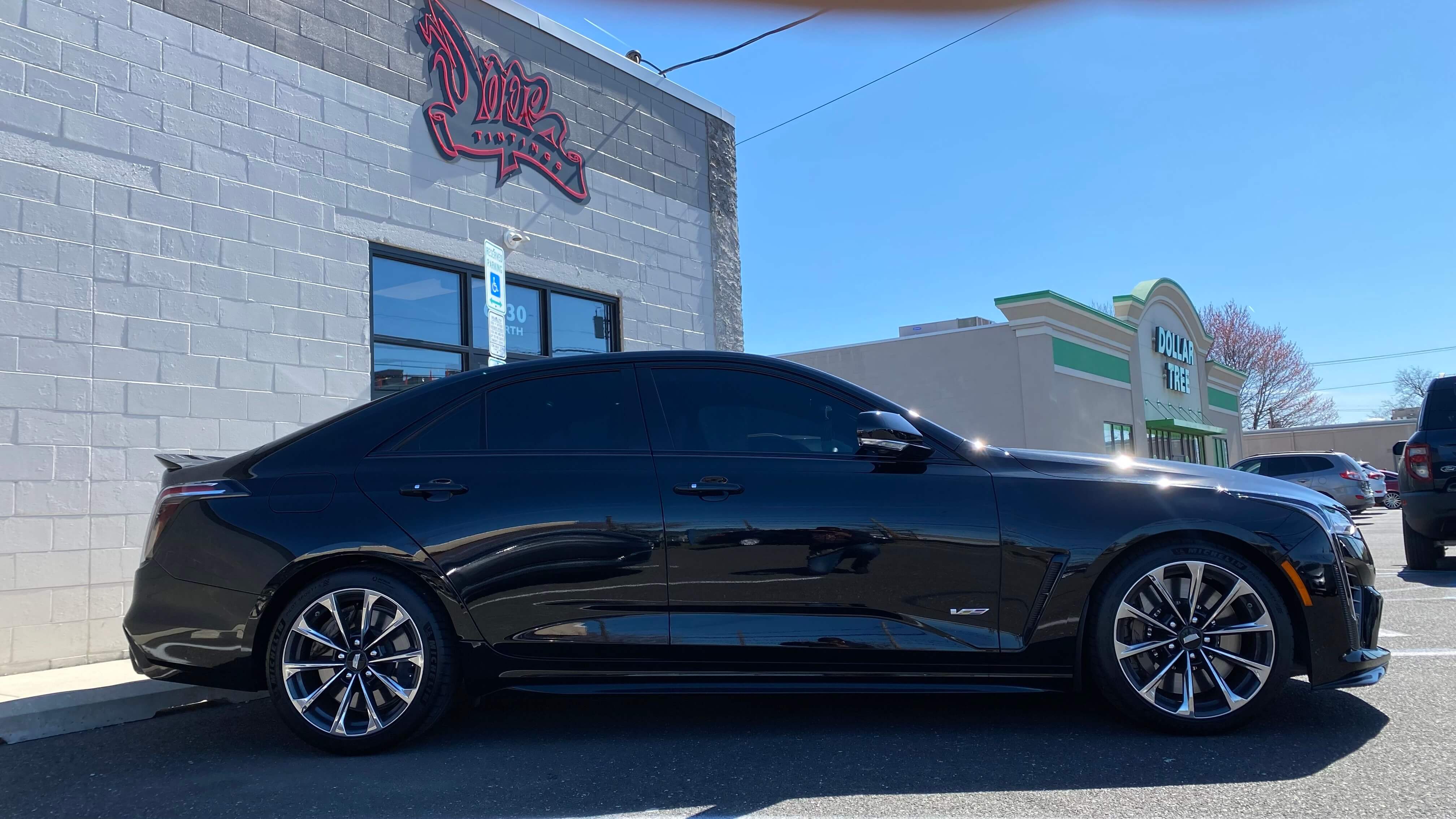
or:
"Everybody in New Jersey has tint."
don't change the applicable rules.
Be respectful, handle the traffic stop and deal with any citation through the appropriate process afterward.
How Much Is a Window Tint Ticket in New Jersey?
There isn't one dollar amount we recommend treating as the guaranteed cost of a New Jersey window tint citation.
The actual amount a driver ultimately pays can depend on the violation cited, court costs and the circumstances surrounding the stop.
From our own experience talking to customers, we've had people report tint-related fines in roughly the $50 to $100 range.
That's customer-reported experience, not a promise that your ticket will cost $50, $75, $100 or any other specific amount.
And the ticket might not be your only expense.
If you decide to correct the tint afterward, you could also have:
- Window tint removal costs
- New film installation costs
- Lost time
- Another appointment
- Potential court-related expenses
That's why a seemingly inexpensive decision can become more expensive later.
Can a Tint Ticket End Up Costing More Than the Tint?
Potentially, yes.
Let's say you paid to have extremely dark front-window tint installed.
Then you're stopped.
You receive a citation.
Afterward, you decide you don't want to deal with the problem again.
Now you pay a tint shop to remove the film.
Then you decide you still want tinted windows and pay for another installation.
At that point, you've potentially paid for:
Installation + ticket-related costs + removal + another installation.
This is exactly why we spend time talking to customers before installing extremely dark film.
Sometimes paying attention to the legal and visibility considerations upfront saves you considerably more money later.
Does Every Police Officer Enforce Window Tint the Same Way?
No—and that's one of the reasons customers get so confused.
We'll hear:
"I've had this tint for three years and nobody ever stopped me."
Then another customer will tell us:
"I got pulled over two weeks after I had mine done."
Those two experiences don't contradict each other.
Enforcement experiences can vary depending on the officer and circumstances.
The underlying New Jersey requirements don't suddenly change because one driver hasn't been stopped.
That's why:
"I've never gotten a ticket"
isn't the same thing as:
"My tint is legal."
Do Window Tint Laws Change Between South Jersey Towns?
The underlying New Jersey window tint rules are statewide.
You don't suddenly get a different legal front-window tint percentage because you drove from Pennsauken into Cherry Hill.
The same general state requirements apply while driving through communities such as:
- Pennsauken
- Camden
- Cherry Hill
- Maple Shade
- Cinnaminson
- Delran
- Collingswood
- Haddonfield
- Marlton
- Mount Laurel
- Moorestown
- Other communities throughout South Jersey
What can differ is the individual driver's enforcement experience.
We've heard customers from different areas tell us completely different stories.
That's why we don't make promises about whether a particular officer, department or town will overlook your tint.
Know the law first. Then decide what level of risk you're comfortable accepting.
Frequently Asked Questions About Police and Window Tint in New Jersey
Below are some of the most common questions we've heard from customers at Dope Tintings about police stops, illegal tint, tint percentages, and New Jersey window tint laws.
Can Police Pull You Over Only for Window Tint in New Jersey?
Yes. You should not assume police need to catch you speeding or committing another moving violation before your window tint can become an issue.
If an officer observes window tint that appears to violate New Jersey's requirements, the tint itself can lead to a traffic stop.
This is particularly important for aftermarket tint on the windshield and front driver/passenger windows.
Can You Get Pulled Over for 35% Tint in New Jersey?
Yes.
One of the biggest misconceptions we hear is:
"35% is legal in New Jersey."
For ordinary aftermarket tint on the front driver and passenger windows, 35% isn't a magic percentage that makes the installation legal.
We may recommend 35% to customers from a visibility standpoint because it is easier to see through than extremely dark film, but that recommendation should never be confused with us saying 35% front-window tint is legal.
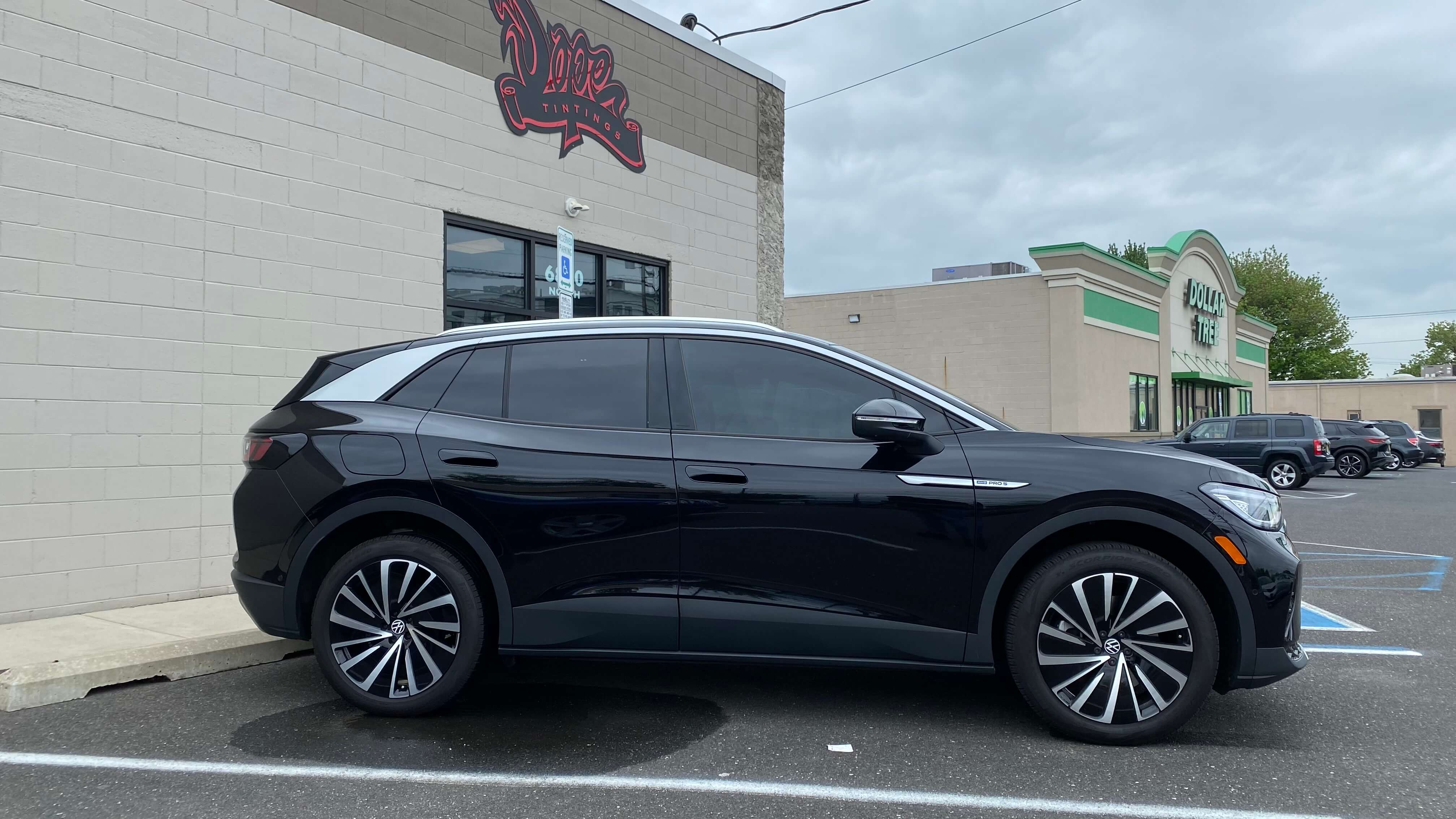
Can You Get Pulled Over for 20% Tint in New Jersey?
Yes, particularly if you're talking about 20% aftermarket tint on the front driver or passenger windows.
Twenty percent is a popular percentage among customers because it provides good privacy without being as dark as 5%.
But the location of the film matters.
Twenty percent on a rear passenger window and 20% on a front driver window are two different legal situations in New Jersey.
Can You Get Pulled Over for 15% Tint in New Jersey?
Yes.
Fifteen percent is fairly dark, and we've had customers with dark front-window tint tell us they were stopped specifically because of their tint.
From an installation standpoint, 15% is one of the percentages customers commonly choose for rear windows when they want substantial privacy without going all the way to 5%.
If you're considering 15% on the front windows, understand the legal and nighttime-visibility concerns before making that decision.
Can You Get Pulled Over for 5% Tint in New Jersey?
Yes.
Five percent, commonly called limo tint, is extremely dark.
From our experience, customers with very dark front windows are among the people who report tint-related traffic stops to us.
Five percent also creates another problem that has nothing to do with police:
Nighttime visibility.
We've had customers discover after the installation that 5% is much harder to see through at night than they expected.
That's why we explain the downside before installing extremely dark film.
Can Police Pull You Over for Windshield Tint in New Jersey?
Yes.
New Jersey generally requires an approved medical exemption for aftermarket sun-screening on the windshield.
Don't assume a light windshield tint automatically prevents a traffic stop simply because an officer can see through it.
If you're considering windshield film because of heat rejection, UV protection, glare, or appearance, understand the legal requirements separately from the performance benefits.
For pricing information, read our How Much Does It Cost to Tint a Car Windshield? 2026 Guide.
Will 50% Tint Keep Me From Getting Pulled Over?
Nobody can guarantee that.
Customers sometimes believe that choosing an extremely light film solves the legal issue.
The problem is that the question isn't simply:
"Can you see through the film?"
Where the aftermarket sun-screening is installed matters.
If your number-one priority is avoiding a tint-related traffic stop, follow New Jersey's current requirements for the windshield and front side windows.
Do Police Use Tint Meters in New Jersey?
Tint meters are tools used to measure the amount of visible light passing through glass and window film.
However, don't build your entire decision around whether you think an officer will meter your windows.
The better approach is to understand the applicable New Jersey requirements before choosing your tint.
Also remember that the percentage printed on a roll of film isn't necessarily the exact final visible-light transmission once that film is installed over automotive glass.
Can You Be Pulled Over for Tint at Night?
A tint-related issue doesn't automatically disappear when the sun goes down.
In fact, extremely dark tint can become more noticeable from a practical driving standpoint because nighttime visibility through the film is reduced.
If you do a lot of nighttime driving, we strongly recommend considering visibility before choosing percentages such as 5% or extremely dark front-window combinations.
What looks great parked during the day still has to be driven at night.
Does Rolling Your Windows Down Make the Tint Legal?
No.
Rolling your windows down during a traffic stop doesn't change whether the film itself complies with New Jersey requirements.
We recommend rolling dark windows down when appropriate because it can make it easier for the officer to see inside the vehicle.
It's a courtesy and a practical safety consideration—not a legal loophole.
Should You Roll Your Windows Down Before the Officer Approaches?
When appropriate and safe to do so, that's what we recommend.
If your windows are extremely dark, rolling them down allows the officer to see the occupants and interior more easily.
NJ MVC even advises drivers with approved medical sun-screening to roll their windows down as a courtesy when they're pulled over.
Again, doing this doesn't guarantee you won't receive a citation.
It's simply a respectful way to handle the interaction.
What If I Have a New Jersey Medical Tint Exemption?
Keep your approval documentation in the vehicle.
NJ MVC currently requires qualifying drivers to receive approval before medical sun-screening is installed and requires the installation to be completed through an appropriately licensed facility.
The permanent approval document is currently valid for 48 months and must be renewed.
NJ MVC also says the approval document should be presented whenever requested by law enforcement.
For a more detailed explanation, read our New Jersey Window Tint Laws: Complete 2026 Guide.
Does a Doctor's Note Automatically Make Front Window Tint Legal?
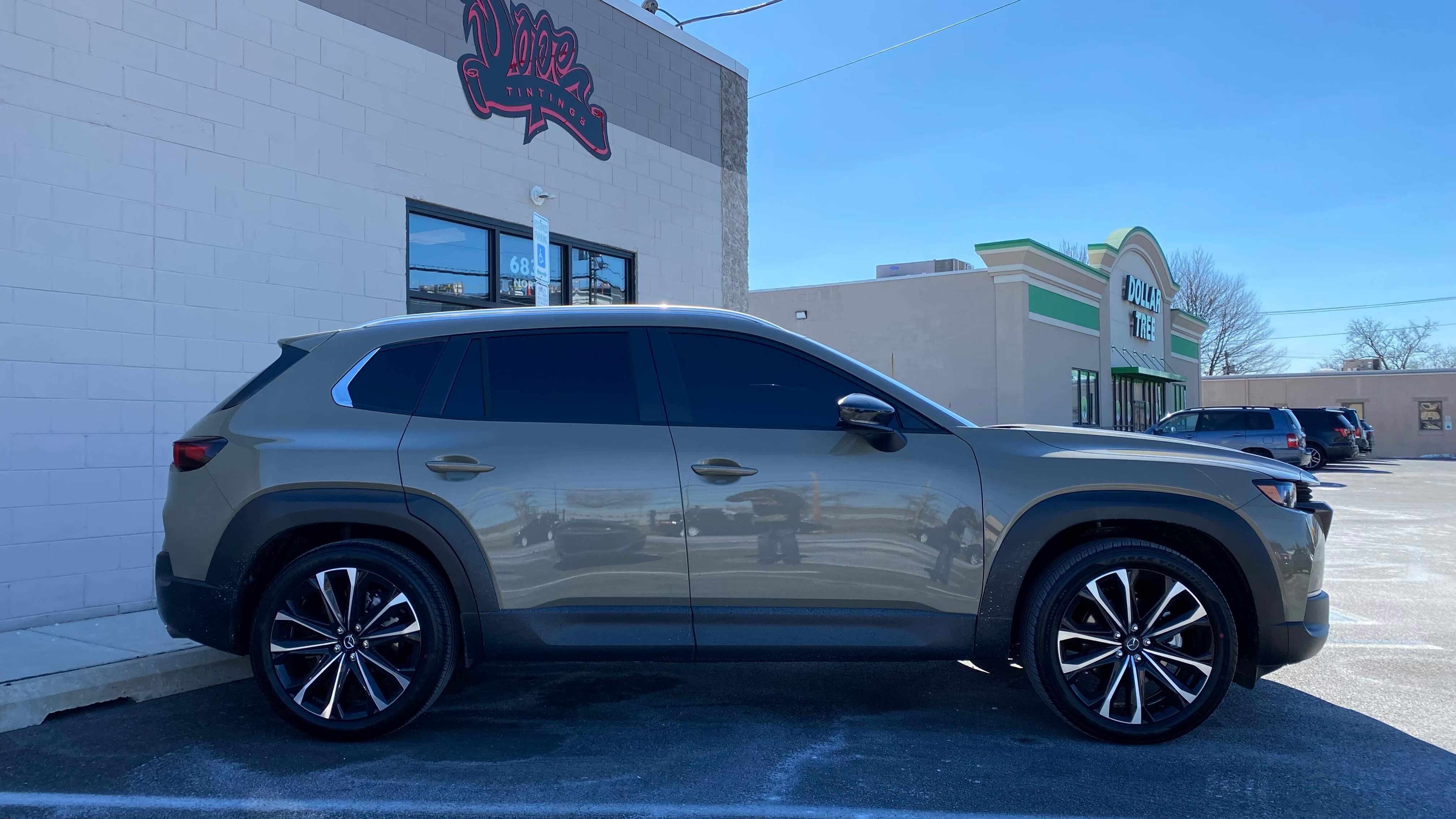
No.
Having a medical condition or a doctor's documentation isn't the same thing as completing New Jersey's medical sun-screening exemption process.
You need the appropriate NJ MVC approval.
Don't install front-window or windshield sun-screening under the assumption that simply keeping a doctor's note in the glove box completes the exemption process.
Can Any Tint Shop Install Medical Exemption Tint?
No.
New Jersey licenses facilities specifically for approved medical sun-screening installations.
If you've received an exemption, verify that the facility you're using is appropriately licensed for medical sun-screening before having the work completed.
Does Having a Tint Ticket Mean You Have to Remove the Film?
What you're required to do depends on the citation and circumstances, so follow the instructions associated with your particular case rather than relying on something another driver experienced.
From our perspective as a tint shop, some customers decide to remove or lighten their tint after receiving law-enforcement attention because they don't want to continue dealing with the issue.
That's where the original tint decision can become expensive.
You may end up paying for:
- The original installation
- Tint removal
- Another installation
- The citation and related costs
That's why we encourage customers to understand what they're choosing before we install it.
How Much Does It Cost to Remove and Replace Window Tint?
Removal pricing depends heavily on the vehicle and the condition of the old film.
Old adhesive, deteriorated film, rear defroster lines, and difficult glass can make removal much more labor-intensive than simply peeling film from a window.
If you're replacing only two front windows after deciding your current film is too dark, pricing will also be different from removing an entire vehicle.
If you're comparing the cost of having two windows professionally tinted, read our Is $100 for 2 Window Tint Good?.
Does Ceramic Tint Keep You From Getting a Tint Ticket?
No.
Ceramic refers to the performance and construction of the window film.
It does not make an otherwise restricted tint installation legal.
Ceramic film is designed primarily for customers interested in better heat rejection.
Don't confuse:
Film quality
with:
Film legality.
A premium ceramic film can provide substantially better heat rejection than basic film while still creating the same legal issue if it's installed on a window where aftermarket sun-screening is restricted.
Is Factory Privacy Glass the Same as Illegal Window Tint?
Factory privacy glass and aftermarket window tint are different.
Many SUVs, crossovers, vans, and pickup trucks come from the manufacturer with darker rear glass.
That darkness is incorporated into the glass rather than being an aftermarket film applied to the inside.
This is another reason you can't look at a dark SUV driving down the road and automatically assume:
"Their windows are that dark, so mine must be legal too."
You may be comparing factory privacy glass on rear windows to aftermarket film on front windows.
Those aren't the same situation.
Does Passing New Jersey Inspection Mean My Tint Is Legal?
Don't use a passed inspection as proof that every modification on your vehicle complies with every New Jersey vehicle-equipment requirement.
New Jersey's passenger-vehicle inspection program is primarily focused on emissions.
Medical sun-screening has its own documentation requirements, and NJ MVC instructs approved drivers to keep their exemption documentation in the vehicle for law-enforcement and applicable inspection purposes.
The safest way to think about it is:
Passing inspection and complying with every New Jersey window tint requirement aren't necessarily the same question.
Can Police Make You Roll Your Windows Up to Check Tint?
What happens during an individual traffic stop depends on the circumstances and the officer's lawful instructions.
We're window tint installers, not attorneys, so we're not going to tell customers how to challenge or argue with an officer on the side of the road.
Our advice remains simple:
Be respectful, follow lawful instructions, and handle any disagreement with a citation through the proper process afterward.
A traffic stop isn't the place to prove who's right.
Does Tint Enforcement Change Between Pennsauken, Cherry Hill, Camden, or Other NJ Towns?
The underlying New Jersey window tint requirements are statewide.
There isn't a special Pennsauken tint percentage and a different Cherry Hill tint percentage.
However, customers absolutely report different enforcement experiences depending on where they're driving and the circumstances of the stop.
After more than 20 years in this industry, we've heard everything from:
"I've had 5% for years and nobody ever bothered me."
to:
"I just got my windows tinted and already got pulled over."
Neither person's experience changes the underlying law.
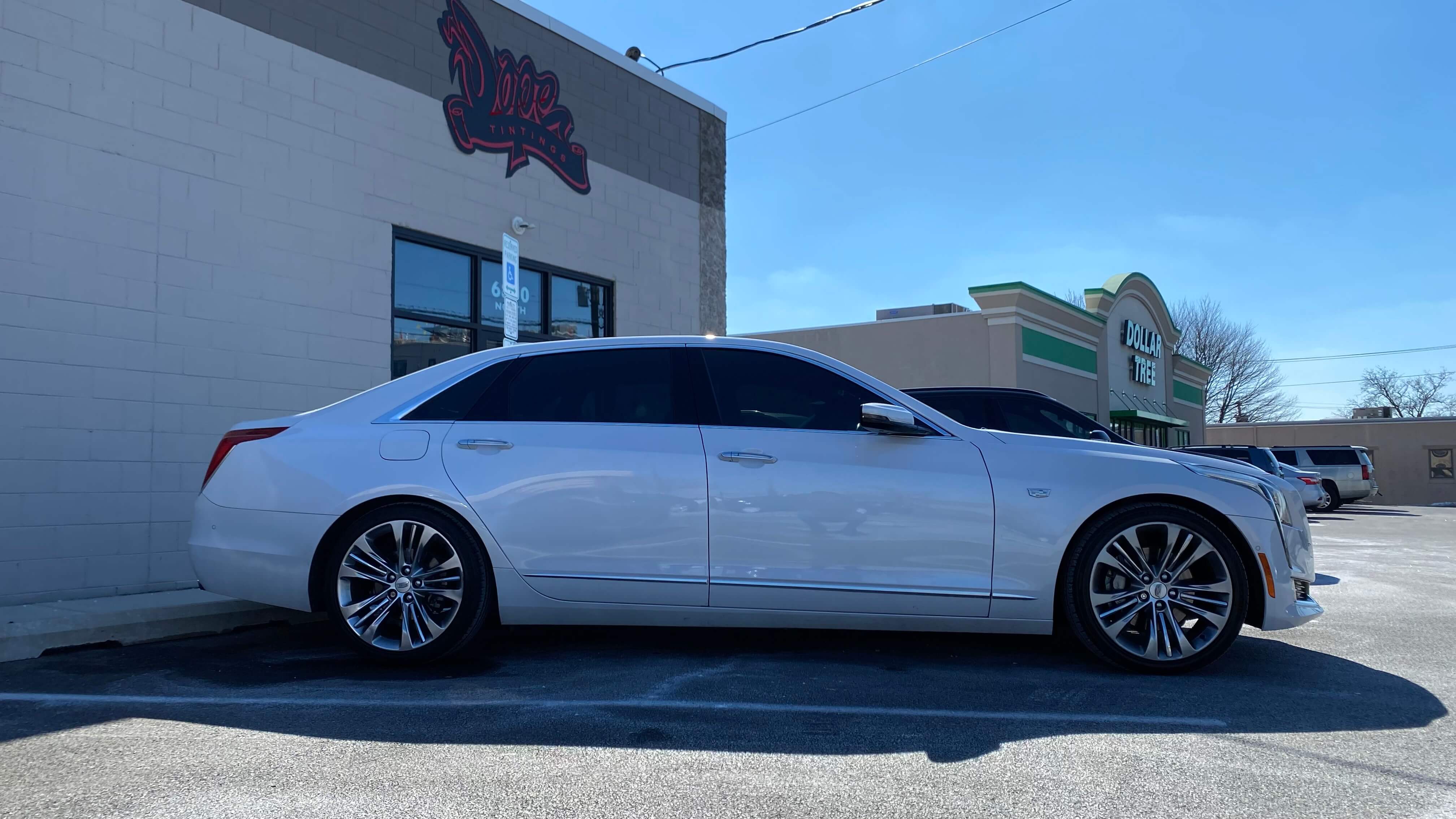
Window Tint and Police Stops in South Jersey
At Dope Tintings in Pennsauken, we work with customers from throughout South Jersey, including:
- Pennsauken
- Camden
- Cherry Hill
- Maple Shade
- Cinnaminson
- Delran
- Collingswood
- Haddonfield
- Marlton
- Mount Laurel
- Moorestown
We've heard tint-related traffic-stop stories from customers throughout Camden County, Burlington County, and surrounding South Jersey communities.
One thing we've learned is that you cannot choose your tint based solely on somebody else's experience.
Your friend might have 5% and never get stopped.
Your coworker might have 20% and receive a citation.
Somebody on Facebook might tell you:
"Cops don't care about tint around here."
None of those people can guarantee what will happen when you're driving your vehicle.
That's why we give customers information rather than promises.
Our Advice After More Than 20 Years in the Window Tint Industry
If you're considering tinting your vehicle in New Jersey, ask yourself what you're actually trying to accomplish.
Do you want:
- Privacy?
- Better appearance?
- Heat rejection?
- UV protection?
- Less glare?
- A darker interior?
- A specific look?
- Maximum privacy?
Once we know the goal, we can recommend the appropriate type of film and darkness from an installation and performance standpoint.
But you also need to consider:
- New Jersey window tint law
- Where the film will be installed
- Nighttime visibility
- Whether you have an approved medical exemption
- Potential law-enforcement attention
The biggest mistake is thinking:
"The darker, the better."
That's not true for every driver.
Should You Choose 5%, 15%, 20%, or 35% Tint?
There isn't one perfect percentage for everybody.
From our experience:
5% is for customers who want extreme privacy and understand that nighttime visibility can become difficult.
15% provides substantial privacy while being easier to see through than 5%.
20% is a popular balance between privacy and visibility.
35% is considerably lighter and is something we discuss when visibility is a major concern.
Those are our professional observations about appearance and visibility.
They are not statements that those percentages are automatically legal when installed on the front windows in New Jersey.
That distinction is extremely important.
Don't Choose a Tint Shop Based Only on Who Is Cheapest
Window tint is a service.
You're not simply buying a roll of film.
You're paying for the installer who puts that film onto your vehicle.
After more than 20 years in the industry, we've seen customers pay twice because they chose an installer based solely on price.
Research the shop.
Look at real completed vehicles.
Read the reviews—not just the star rating.
Look for repeat customers.
Ask what film they use.
Ask about the warranty.
Ask whether they've worked on your year, make, and model.
And look closely at the actual installation quality.
If you're currently comparing shops, read our Top-Rated Auto Window Tinting Shops in South Jersey: 2026 Guide.
The Bottom Line: Can Cops Pull You Over for Just Window Tint in New Jersey?
Yes. You should not assume New Jersey police need another moving violation before suspected illegal window tint can become the reason for a traffic stop. Aftermarket sun-screening on the windshield and front driver/passenger windows is the biggest legal concern because New Jersey generally restricts tint on those windows unless an approved medical exemption applies.
After more than 20 years of tinting vehicles, our advice is simple:
Know what you're asking for before you have it installed.
Don't choose 5%, 15%, 20%, or 35% because somebody on social media told you police won't bother you.
Don't assume something is legal because thousands of other vehicles have it.
And don't confuse what a tint shop can physically install with what New Jersey law permits.
If avoiding tint-related police stops is your number-one priority, follow New Jersey's current requirements.
For the complete window-by-window legal explanation, read our New Jersey Window Tint Laws: Complete 2026 Guide.
Questions About Window Tinting in Pennsauken NJ?
If you're looking for professional automotive window tinting in Pennsauken or South Jersey, contact Dope Tintings.
Dope Tintings 6830 N Crescent Blvd Pennsauken, NJ 08110
Phone: 856-577-4119
We serve customers from Pennsauken, Camden, Cherry Hill, Maple Shade, Cinnaminson, Delran, Collingswood, Haddonfield, Marlton, Mount Laurel, Moorestown, and throughout South Jersey.
When calling for a quote, have your year, make, and model ready so we can discuss pricing, available film options, and the right package for your vehicle.